

Cut Cooling Costs.
Boost Efficiency.
IAQ EFM helps facility owners reduce cooling costs, lower carbon footprint, and meet regulatory requirements — without big upfront investments.
WHO WE ARE
Total Facility
Solutions Provider
IAQ Energy Facility Management (EFM) is part of the IAQ Group — a Total Facility Solutions Provider with 30 years of global experience in designing, building, upgrading, and maintaining critical facility systems.
As a registered Energy Service Company (ESCO) under Suruhanjaya Tenaga, we specialize in energy efficiency and sustainable cooling solutions for high-performance cleanroom systems, district cooling infrastructure, and advanced HVAC optimization.
Our Solutions
End-to-End Energy Management Services
Designed to reduce operational expenditure, increase efficiency, and improve sustainability outcomes.
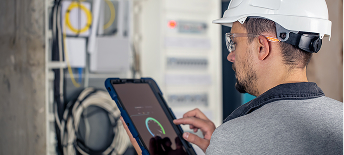
Energy Audit
Comprehensive energy audits to identify inefficiencies, optimize system performance, and implement targeted Energy Saving Measures (ESMs).

Energy Efficiency Solutions
HVAC and building system optimization through targeted retrofits and AI-based automation.

Energy Performance Contracting
We fully fund and deliver system upgrades from HVAC retrofits to smart controls, while sharing in the operational cost savings achieved.
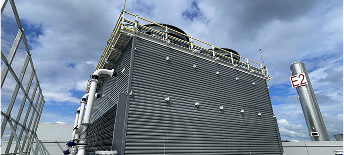
Cooling-as-a-Service / Build-Operate-Transfer
Utility-based cooling model where chilled water is supplied under a long-term service agreement. Pay only for the cooling you consume.
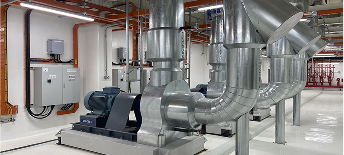
District Cooling System
End-to-end solutions from feasibility studies through engineering, procurement, construction, commissioning, operation and maintenance.
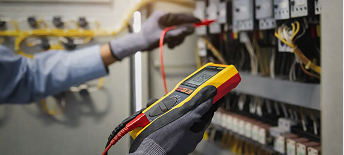
Maintenance & Reliability
Comprehensive and non-comprehensive maintenance packages with skilled manpower deployment for daily operations and emergency response.
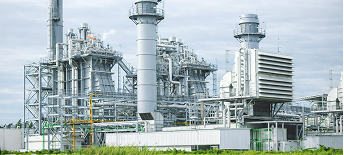
Cogeneration System
Efficient on-site power and thermal energy generation that reduces energy costs, improves reliability, and supports sustainable facility operations.
The Challenges Facilities Face
The Problem We
Solve for Clients
Many facilities are struggling with outdated, inefficient systems that drain budgets and harm the environment.
High Electricity Bills
Inefficient cooling systems driving up operational costs year after year.
Rising Carbon Emissions
Non-compliance risk with government regulations and sustainability targets.
Aging Infrastructure
Outdated chiller plants requiring massive capital expenditure to upgrade.
Operational Disruptions
Poor maintenance and outdated systems causing downtime and inefficiencies.
Key Benefits
Benefits of Choosing IAQ EFM
We deliver measurable results that impact your bottom line and sustainability goals.
Up to 30%
Cost Reduction
Lower Operating Costs
Achieve up to double-digit percentage savings on electricity consumption.
100%
Compliance
Regulatory Compliance
Meet energy efficiency regulations and BEI (Building Energy Index) requirements with confidence.
0 CAPEX
Required
Zero Upfront Investment
Enhances financial agility by eliminating upfront investment, allowing you to focus capital on core business priorities.
Low Carbon
Ready
Sustainability Goals
Reduced carbon footprint and improved ESG scores align with global sustainability initiatives.
Performance
Assurance
Performance Assurance
Service Level Agreements ensure system reliability, energy efficiency and guaranteed uptime.
30 Years
Experience
Proven Track Record
Trusted experience with major clients including KLCC, Microsoft, and government hospitals.
IAQ EFM helps facility owners cut cooling costs, reduce carbon footprint, and meet regulatory requirements — without the need for big upfront investments.
Turnkey energy-efficient cooling solutions with long-term maintenance
Design Concept of District Cooling
In district cooling, cooling energy in the form of chilled water is generated at a central chiller plant to be supplied via a piping network to multiple end-user buildings for the purpose of space or process cooling.
District cooling system are usually structured as infrastructure utility service but can also be end-user owned.
Economies of scale enable district cooling plants to adopt technology options such as
a) Thermal energy storage
b) Large capacity high efficiency chillers
c) Series-connected chiller modules
District Cooling Plant (DCP) :
A district cooling plant is an advanced cooling system that serves multiple buildings from a single, centralized location. Instead of each building relying on its own air conditioning unit, the district cooling plant produces chilled water and efficiently distributes it through a network of insulated pipes. This chilled water is used to cool the air inside the connected buildings, ensuring a comfortable indoor environment.
District cooling systems are highly energy-efficient, reduce carbon emissions, and offer significant cost savings compared to traditional cooling methods. By consolidating cooling resources into one plant, they minimize energy waste, lower maintenance costs, and support a more sustainable approach to building climate control.
Energy Transfer Station (ETS) :
The Energy Transfer Station (ETS) is a critical component of a district cooling system, serving as the interface between the central cooling plant and the individual buildings it serves. Located within each building, the ETS ensures precise cooling delivery by transferring energy from the chilled water in the distribution pipes to the building’s air conditioning system without mixing the two water systems.
The ETS also plays a vital role in metering cooling energy usage, ensuring contractual segregation, and maintaining hydraulic segregation, allowing each building to receive tailored cooling efficiently while seamlessly integrating with the district cooling network.
Thermal Energy Storage (TES) :
Thermal Energy Storage (TES) is an innovative and efficient solution within a district cooling system, designed to store cooling energy for later use. Instead of directly consuming electricity during peak hours, the TES system works by chilling water or producing ice during off-peak hours—typically at night when energy demand and costs are lower.
This stored cooling energy is then released during the day to meet the cooling needs of connected buildings. By balancing energy usage, TES reduces operating costs, lowers strain on the cooling plant during peak periods, and enhances the overall reliability and efficiency of the district cooling system. It’s a smart approach to sustainable and cost-effective cooling.
Distribution Piping :
The distribution piping network is a vital component of a district cooling system, acting as the backbone for delivering cooling to multiple buildings. These insulated pipes transport chilled water from the central cooling plant to the connected buildings, ensuring efficient and reliable cooling.
As the chilled water flows through the buildings, it absorbs heat and then returns through the same network to the cooling plant to be re-chilled. This continuous cycle ensures seamless operation, minimizes energy loss, and supports the overall efficiency of the district cooling system. The robust design of the distribution piping guarantees durability, safety, and consistent performance for long-term use.
The stored cooling energy is then discharged during the day to meet customer cooling load demand.
Energy Transfer Station (ETS) :
ETS at user’s building are for metering of cooling energy, contractual segregation and hydraulic segregation.
1 of 4District Cooling Plant (DCP) :
Central chiller plant which generates chilled water
2 of 4End User Building
3 of 4Distribution Piping :
Piping network which transport the cooling energy in the form of chilled water from DCP to end users.
4 of 4Track Record
Our Project References
Trusted by leading organizations across Malaysia for mission-critical cooling infrastructure.
District Cooling Plant
Malaysia largest DCP
KLCC District Cooling Center (DCC)
Pagoh Education Hub DCP
Malaysia First Multi Varsity District Cooling System
District Cooling Maintenance
KLCC DCS Chiller Maintenance
KLCC DCS Plant pump and Cooling Tower maintenance
District Cooling Energy Solution
District Cooling Energy Efficiency Solution
Cooling water pump energy improvement (EPC) for 10 years contract
Data centre Maintenance
KL03 Data Center
HVAC wet system maintenance
Pharmaceutical Cleanroom Operation & Maintenance
Pharmaceutical Cleanroom O&M
- Insulet Malaysia Sdn Bhd
- Oliver Healthcare Packaging Sdn Bhd
Chiller Plant Upgrade and maintenance
Chiller Energy Optimization Project
- Hospital Pulau Pinang
- Hospital Kepala Batas
- KLCC District Cooling Plant
- Putrajaya Precinct 1 District Cooling Plant, Plant 1
- Putrajaya Precinct 2 District Cooling Plant, Plant 2
- Putrajaya Precinct 5 District Cooling Plant, Plant 3
- Putrajaya International Convention Center
- Wisma Putra